Iceland is a land like no other. It is a place of fire and ice, where volcanoes and glaciers exist side by side. For many people, Iceland is a dream destination. Its dramatic landscapes make it unique in the world. This journal provides an in‑depth review of Iceland’s nature, culture, travel experiences, food, cost, safety, and best times to visit.
The aim is to offer clear and useful insights that help you understand what Iceland is like and how to make the most of a visit there. This article will explore each topic in simple, clear English. By the end, you will have a strong sense of what it feels like to travel in Iceland.
Iceland’s Natural Wonders
Iceland’s nature is what draws most visitors. The country is filled with landscapes that feel ancient and wild. Volcanoes, geysers, waterfalls, black sand beaches, and glaciers are found across the island. Each region offers something different.
The Golden Circle is a famous route that showcases three major natural sites. Þingvellir National Park holds historical and geological importance. Gullfoss Waterfall is powerful and beautiful. The Geysir area has hot springs and geysers that erupt with force. These attractions are popular for good reason. They offer a glimpse of Iceland’s raw and dynamic earth.
Iceland’s glaciers, like Vatnajökull and Sólheimajökull, are massive. They shape the land and create ice caves and glacial lagoons. Visiting a glacier can be magical but also challenging. The ice feels blue and ancient, like time captured in stone.
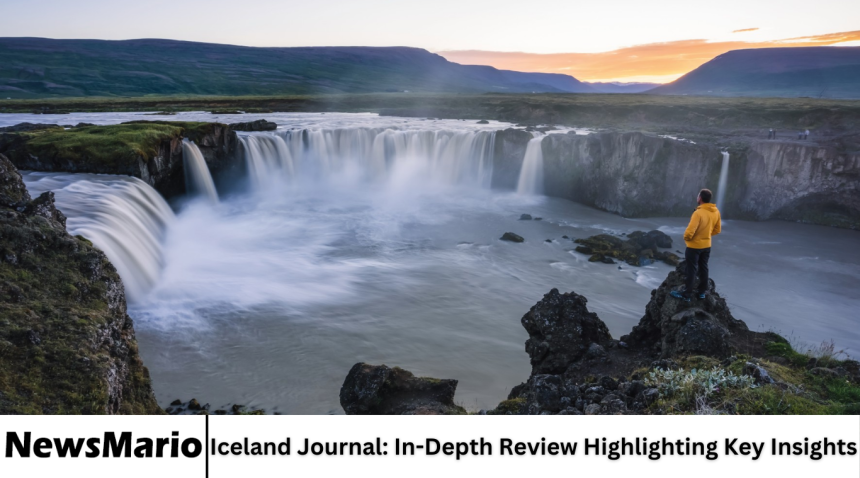
Waterfalls are everywhere in Iceland. Seljalandsfoss and Skógafoss are among the most visited. At Seljalandsfoss, you can walk behind the waterfall and feel the spray on your face. Skógafoss drops in a huge curtain of water and often creates rainbows on sunny days. These falls show the power of water in Iceland’s climate.
Black sand beaches make Iceland unique. Reynisfjara Beach is known for its basalt columns and strong waves. Walking on the black sand feels surreal, as if you are on another planet.
The northern part of Iceland, near Akureyri and Lake Mývatn, offers volcanic landscapes and geothermal areas. The boiling mud pools and sulphuric steam vents create strange scenery. Lake Mývatn itself is rich with birds and wildlife.
In the west, the Snæfellsnes Peninsula has mountains, lava fields, and cliffs. Many people call it “Iceland in Miniature” because it shows a bit of everything Iceland has to offer in one region. The peninsula’s volcano, Snæfellsjökull, is said to be mystical and was featured in literature.
No matter where you travel in Iceland, nature always impresses. It can be calm in some places and wild in others. The land seems alive, always changing with light, wind, and weather.
Icelandic Culture and People
Icelandic culture blends old traditions with modern life. The Icelandic language is one of the oldest in Europe and has changed little over centuries. Many people in Iceland still read old sagas and celebrate their literary history. These sagas tell stories of early settlers, heroes, and adventures. They are a window into Iceland’s past.
Despite its small population, Iceland has a strong creative life. Music, art, and literature thrive here. Local musicians often draw inspiration from nature and the long nights of winter. Reykjavik, the capital city, hosts many cultural events, festivals, and art shows throughout the year.
Icelanders are known for being friendly and welcoming. They value community and take pride in their heritage. At the same time, Icelanders are modern and open‑minded. Many speak excellent English, and meeting visitors is common in daily life.
Family life and outdoor activities are important in Icelandic culture. Hiking, swimming in hot springs, and spending time outside are part of daily routines. People often gather at local swimming pools, which serve as social centers and places to relax.
Iceland’s strong connection to nature reflects its culture. Many traditions celebrate the earth, the seasons, and the elements. Respect for the environment is part of daily life, and this respect shows in how Icelanders view tourism and land use.
Travel Experiences in Iceland
Traveling in Iceland can be exciting and sometimes challenging. The most common way to explore the country is by driving. Many visitors rent cars or camper vans. The roads are generally good, but weather can change quickly.
The main ring road circles the island and connects many popular destinations. Driving the ring road allows travelers to see waterfalls, fjords, beaches, and mountains at their own pace. Along the way, small towns and villages offer places to rest and explore local life.
One of the challenges of travel in Iceland is the weather. It can shift from sunny to rainy to windy within hours. In winter, snow and ice make driving difficult in some areas. Planning ahead and checking weather forecasts is essential.
Accommodation in Iceland ranges from luxury hotels to guesthouses and campsites. Guests can choose based on comfort or budget. Many travelers prefer guesthouses because they offer a chance to meet locals and learn more about Icelandic life.
Outdoor adventures are a big part of traveling here. Hiking trails of all levels are found throughout the country. Some are easy walks with beautiful views. Others are long and demanding, leading you into remote valleys and high mountain areas.
Guided tours are available for glacier hikes, ice cave visits, whale watching, and Northern Lights excursions. These tours offer safety and knowledge from experts familiar with Iceland’s land and weather.
Iceland’s capital, Reykjavik, provides a contrast to the wild outdoors. It is small and walkable, with cafes, museums, and music venues. Reykjavik offers a chance to rest, dine, and experience urban life between nature trips.
Travel in Iceland is about freedom, discovery, and respect for nature. It is not always easy, but it is always memorable.
Icelandic Food and Drink
Icelandic cuisine is shaped by the land and sea. Because the climate is cool and growing seasons are short, traditional food focuses on fish, lamb, dairy, and preserved foods.
Fish is central to many meals. Cod, haddock, and Arctic char are common. Fresh fish tastes clean and light. Smoked and dried fish are also traditional and reflect Iceland’s history of preserving food for long winters.
Lamb in Iceland is known for its quality and flavor. Icelandic sheep roam freely in the mountains during summer. This grazing in wild herbs gives the meat a distinct taste. Roast lamb, lamb soup, and slow‑cooked lamb dishes are popular.
Dairy products are rich and creamy. Skyr, a thick yogurt‑like product, is a national favorite. It is mild in taste and high in protein. People eat skyr with berries, honey, or on its own. Butter, cheese, and milk from Icelandic cows also feature in meals.
Traditional Icelandic foods include items that may seem unusual to visitors. Hákarl, fermented shark, is famous and has a strong smell and taste. It is an acquired taste and often tried as a challenge by tourists.
Icelandic bread is also unique. Some breads are baked using geothermal heat. Dough is placed in the warm ground and left to bake slowly. This method gives the bread a smoky, earthy flavor.
Hot drinks like coffee are popular in Iceland. Cafes are places to relax and chat. Icelanders enjoy coffee at all times of day. Herbal teas and local juices are also common.
Seafood, lamb, dairy, and simple fresh ingredients define Icelandic food. Visitors who try local dishes often appreciate the connection between food and the land.
Cost of Travel in Iceland
Iceland is known for being expensive. Many travelers find costs higher than expected, especially for food, accommodation, and fuel. There are reasons for this.
Iceland imports many goods. Because of its remote location, products must travel long distances. This increases prices. Dining out in restaurants can be costly compared to many other countries. A meal in a mid‑range restaurant may cost much more than travelers expect.
Accommodation prices rise during high season. Booking early can help save money. Guesthouses and hostels tend to be cheaper than hotels, and self‑catering kitchens in guesthouses or camper vans allow travelers to cook their own meals.
Fuel is another cost to consider. Driving long distances around the ring road uses a lot of fuel. Fuel prices in Iceland are often higher than in neighboring countries. Planning routes carefully and combining activities can reduce fuel use.
Despite higher costs, Iceland offers ways to save. Many supermarkets sell ready‑to‑eat meals and snacks that are cheaper than restaurant food. Drinking tap water is safe and free, so buying bottled water is unnecessary. Choosing off‑peak travel times can also reduce accommodation costs.
Understanding Iceland’s cost structure helps visitors plan better. With budgeting and planning, travelers can enjoy Iceland without overspending.
Safety and Travel Tips
Iceland is considered one of the safest countries in the world. Crime rates are low, and most travelers feel secure exploring towns and countryside. However, nature poses risks that require care and preparation.
Weather is unpredictable. A sunny morning can turn into heavy wind and rain by afternoon. Always check weather forecasts before heading out. Mountain and highland roads may close suddenly due to weather.
When hiking, wear proper footwear and clothing. Even short trails can become slippery when wet. Tell someone about your plans if you go into remote areas.
Be cautious near cliffs, beaches, and waterfalls. Powerful waves at places like Reynisfjara Beach can be dangerous. Strong currents and sneaker waves have caused accidents in the past.
Driving in winter requires skills and experience. Ice and snow make roads slippery. Renting a four‑wheel drive vehicle in winter is advisable. Ensure you have emergency equipment in your car.
Respect private property and natural sites. Many trails cross farms or fragile ecosystems. Stay on marked paths to protect the land and avoid fines.
Emergency services in Iceland are efficient and reliable. The emergency number is 112. In remote areas, mobile phone coverage may be limited, so consider carrying a personal locator beacon if planning long hikes.
Iceland’s safety comes from careful preparation, respect for nature, and awareness of conditions.
Best Times to Visit Iceland
Iceland offers different experiences based on the season. Each time of year has advantages and disadvantages. Choosing the right time depends on what you want to see and do.
Summer, from June to August, brings long days with nearly 24 hours of daylight in June. This period is ideal for hiking, road trips, and outdoor activities. The weather is mild, though rain is still possible. Summer is the busiest season, so popular places can be crowded.
Winter, from December to February, is dark and cold. However, it is perfect for seeing the Northern Lights. Snow covers the landscape, creating a winter wonderland. Some roads and highland areas are closed in winter due to snow. Guided tours help access icy attractions safely.
Spring and autumn are shoulder seasons. They offer fewer crowds and lower costs. In spring, landscapes begin to green and birds return. In autumn, the colors change and the air feels crisp. These seasons are good for travelers seeking quieter experiences.
No matter the season, Iceland always offers something special. The choice of when to visit depends on priorities: daylight, cost, solitude, or seasonal events like festivals.
Sustainability and Responsible Travel
Iceland attracts many visitors each year. While tourism supports the economy, it also brings challenges. The natural environment is fragile. Too many visitors in one spot can damage the land. In recent years, Iceland has focused on sustainable tourism.
Visitors are encouraged to respect nature and follow rules. Staying on trails prevents erosion. Avoiding off‑road driving protects moss and soil that take years to recover. Disposal of waste and recycling are important practices.
Iceland’s tour operators also work on responsible travel. Many tours emphasize safety and environmental protection. Travelers who choose eco‑friendly options help preserve Iceland’s beauty for future generations.
Sustainable travel means enjoying Iceland without leaving a negative impact. Simple actions like reducing waste, choosing local services, and respecting wildlife make a difference.
Highlights of Unique Experiences
Iceland offers many experiences that cannot be found elsewhere. Ice caving inside a glacier is one. Walking through tunnels of blue ice is both eerie and stunning. The ice feels solid but ancient, as if holding stories from long ago.
Hot spring bathing is another unforgettable experience. The Blue Lagoon is famous around the world. Its warm, milky blue waters feel soothing against cool air. Many other lesser‑known hot springs exist throughout the countryside. Some are natural and free, hidden away from crowds.
Midnight sun in summer is a rare phenomenon. For days, the sun does not fully set. The sky glows into the night, and the light makes landscapes feel unreal. Photography in midnight sun offers colors that change slowly and beautifully.
Seeing the Northern Lights is a dream for many. On clear nights in winter, bands of green, purple, and pink dance across the sky. It is a natural show that many visitors describe as life‑changing.
Each of these experiences reveals Iceland’s magical side. Whether it is ice, fire, water, or sky, Iceland touches the senses deeply.
Frequently Asked Questions
What is Iceland best known for?
Iceland is best known for its dramatic landscapes, including volcanoes, glaciers, waterfalls, and geothermal activity. It also attracts visitors for the Northern Lights, midnight sun, and unique cultural history.
Is Iceland safe for travelers?
Yes, Iceland is one of the safest countries for travelers. Crime rates are low. However, nature can be unpredictable, so caution and preparation are important, especially in extreme weather or on rough terrain.
How expensive is travel in Iceland?
Travel in Iceland can be expensive. Food, accommodation, and fuel often cost more than in many other countries due to import costs and remote location. Budget planning and early bookings help manage costs.
When is the best time to see the Northern Lights?
The best time to see the Northern Lights is in winter, from late September to early March. Nights are longer and darker, which increases the chances of viewing the auroras on clear nights.
What should I pack for a trip to Iceland?
Pack warm layers, waterproof clothing, sturdy shoes, and accessories like hats and gloves. Weather changes quickly in Iceland, so dressing in layers helps you stay comfortable during outdoor activities.
Conclusion
Iceland is a destination of contrasts and wonders. Its natural landscapes are breathtaking, from powerful waterfalls to silent glaciers. The culture is rich, rooted in history and creativity. Traveling in Iceland can be both an adventure and a journey of reflection.
Understanding the cost, weather, and safety tips helps prepare for a smooth experience. The best time to visit depends on personal interests, whether chasing the Northern Lights or enjoying long daylight hours.
Iceland encourages respect for nature and responsible travel. By protecting the land and respecting local traditions, visitors help ensure that Iceland’s beauty remains for future generations.